Peter Rabbit and the garden as a small kingdom
Beatrix Potter turned a vegetable patch into a whole world of rules, risks and lettuces. Why Peter's great escape still thrills readers of every age.
Published
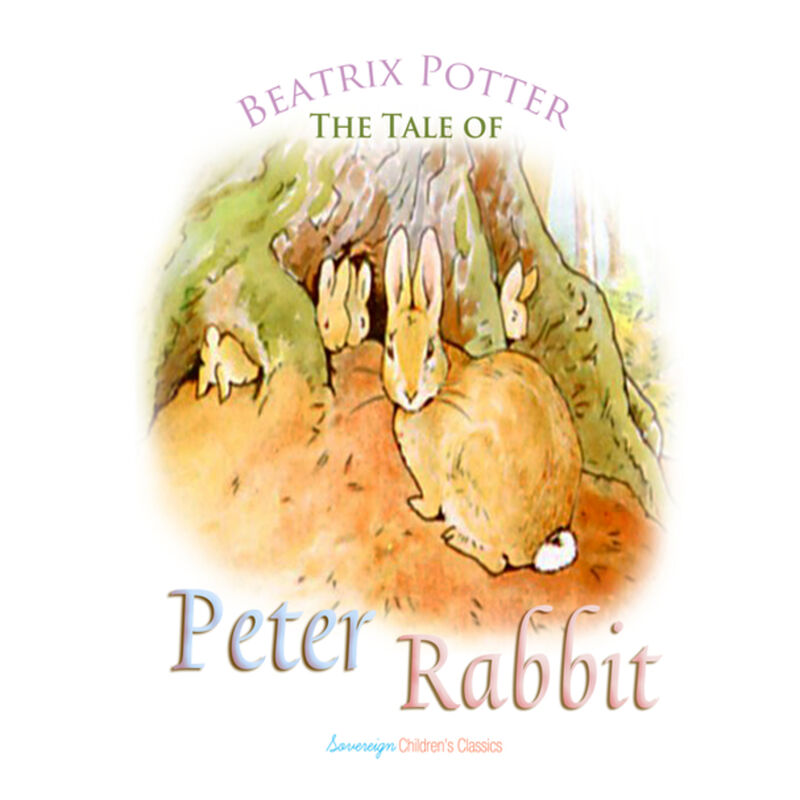
Every garden has a border, and every border invites a question. Beatrix Potter understood that perfectly. Her most famous tale begins with a warning from a mother to her four children: Flopsy, Mopsy and Cotton-tail may go down the lane to gather blackberries, but nobody is to go into Mr. McGregor's garden. Three little rabbits do as they are told. The fourth is Peter, and what follows is the best afternoon's trouble in English storytelling.
Read The Tale of Peter Rabbit again as a grown-up and the first thing you notice is how complete its world is. The garden has a ruler, Mr. McGregor, on his hands and knees planting out young cabbages. It has laws, which Peter learns by breaking them. It has geography: rows of lettuces, French beans and radishes, a gooseberry net, a tool-shed, a pond where a white cat sits very still and watches the goldfish. It even has its own population, from the friendly sparrows who implore Peter to exert himself to the old mouse carrying peas and beans to her family, who cannot tell him the way to the gate because she has such a large pea in her mouth. In a handful of pages Potter builds a country with borders, dangers and customs, and she makes it the size of a vegetable plot.
Mischief is the engine of the story, and Potter enjoys it as much as Peter does. He eats until he feels rather sick and goes looking for parsley. Then he turns a corner and there is Mr. McGregor. The chase that follows is a small masterpiece of comic timing: one shoe lost among the cabbages, the other among the potatoes, a blue jacket with brass buttons caught fast in the gooseberry net, a desperate leap into a can in the tool-shed that would have been a beautiful hiding place if it had held less water. Then comes the sneeze. 'Kertyschoo!' Every child who hears it laughs, and every adult reading it aloud feels the same jolt of alarm that Peter does.
What keeps the tale fresh is that the danger is real. Peter's father, Mrs. Rabbit reminds her children, had an accident in that very garden and was put in a pie by Mrs. McGregor. Potter says it plainly and moves on, and the plainness is the point. Her animals live in a world of cats, foxes and cooking pots, and their courage means something because of it. Peter does escape, squeezing back under the gate, but he comes home without his jacket or his shoes, and when we next see them they are dressing a scarecrow to frighten the blackbirds.
The ending is one of the gentlest anywhere. Peter is put to bed with a dose of camomile tea, 'one table-spoonful to be taken at bed-time', while his sisters, who behaved beautifully, have bread and milk and blackberries for supper. Potter adds no lecture. She trusts her readers to weigh a stomach-ache against an adventure, and she knows that most of us, secretly, would choose Peter's afternoon.
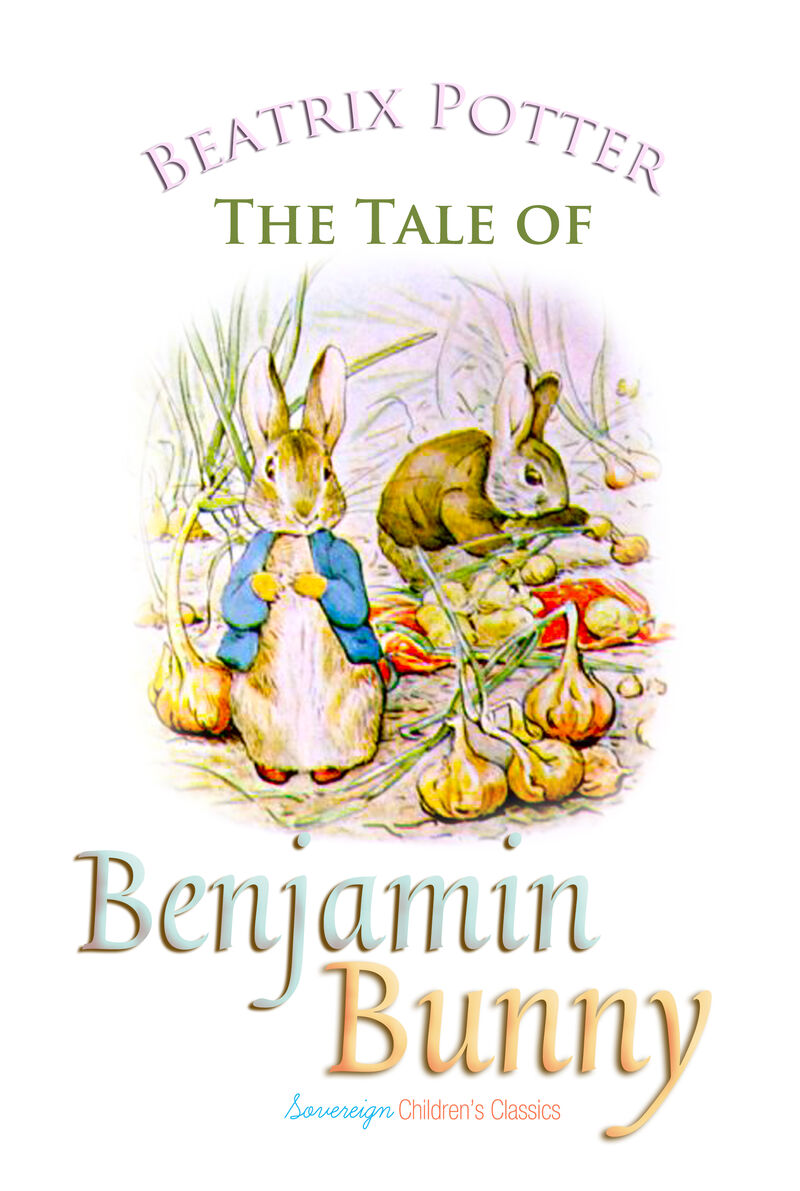
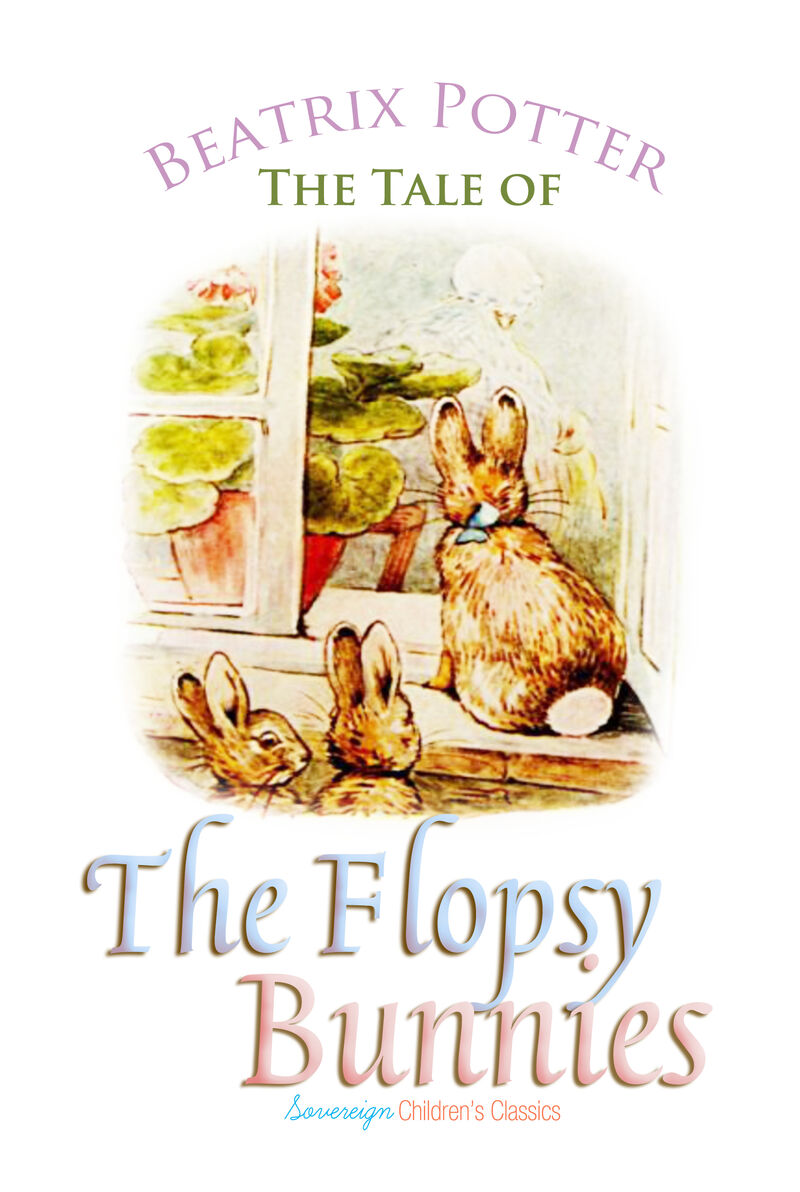
Once you have crossed that border, the other tales open like gates along the same lane. In The Tale of Benjamin Bunny, Peter's cousin persuades him to go back for his clothes. The two of them climb down a pear tree into enemy territory, rescue the jacket and shoes from the scarecrow, and fill a pocket-handkerchief with onions as a present for Benjamin's aunt. Then a cat settles on top of the basket they are hiding under, and it takes old Mr. Benjamin Bunny, marching along the top of the wall with a switch, to put things right. Later still, in The Tale of the Flopsy Bunnies, Benjamin has married his cousin Flopsy, their many children doze off among the lettuces on Mr. McGregor's rubbish heap, and a kind wood-mouse called Mrs. Tittlemouse helps to save them. The garden stays the same, and the kingdom gains a history.
Why do these little books still matter so much? Partly because so many of us have rediscovered the pleasure of a small patch of ground, whether it is an allotment, a window box or a few pots on a balcony, and Potter reminds us that a garden is a living place, crowded with creatures who have their own plans for it. Partly because she drew from life. She sketched real rabbits, real hedgehogs and real rows of vegetables, and the precision of her eye gives her fantasy its weight. Peter himself first appeared in a picture letter she wrote to a young boy who was ill, and you can still hear that voice in the prose: brisk, affectionate and wonderfully free of fuss.
The tales are short enough to finish in one sitting and rich enough to return to for a lifetime. They also ask to be heard. The audiobook editions, read by Josh Verbae, let the rhythm of Potter's sentences do their work, from the single adventure of Peter Rabbit to the longer gathering of Peter Rabbit and Friends.
So begin where Peter begins, at the gate, with his ears pricked and the lettuces just out of reach. You know he is going to squeeze underneath. Some part of you, however old you are, will be glad that he does.
Books in this story