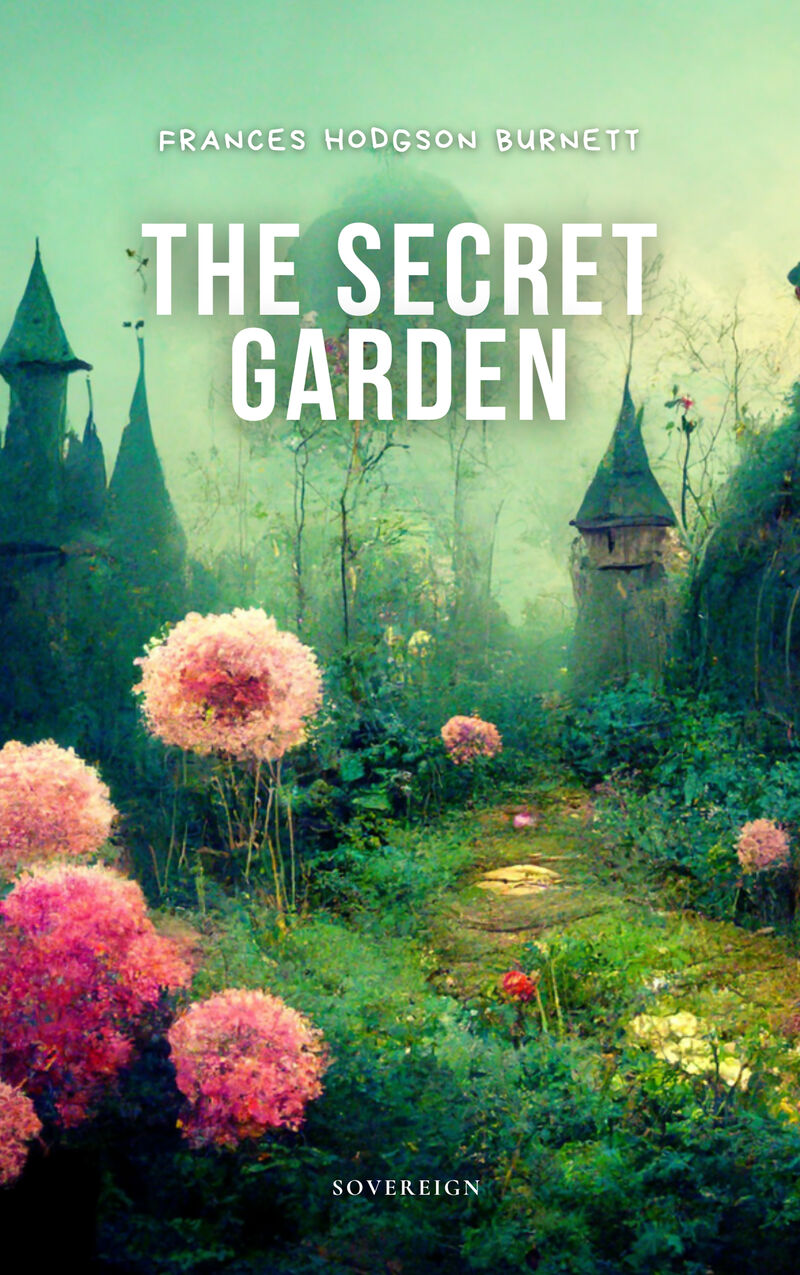
The Secret Garden and the magic of growing things
A lonely girl, a robin, a buried key and a door under the ivy. Why Frances Hodgson Burnett's story of a garden brought back to life still casts its spell.
Published
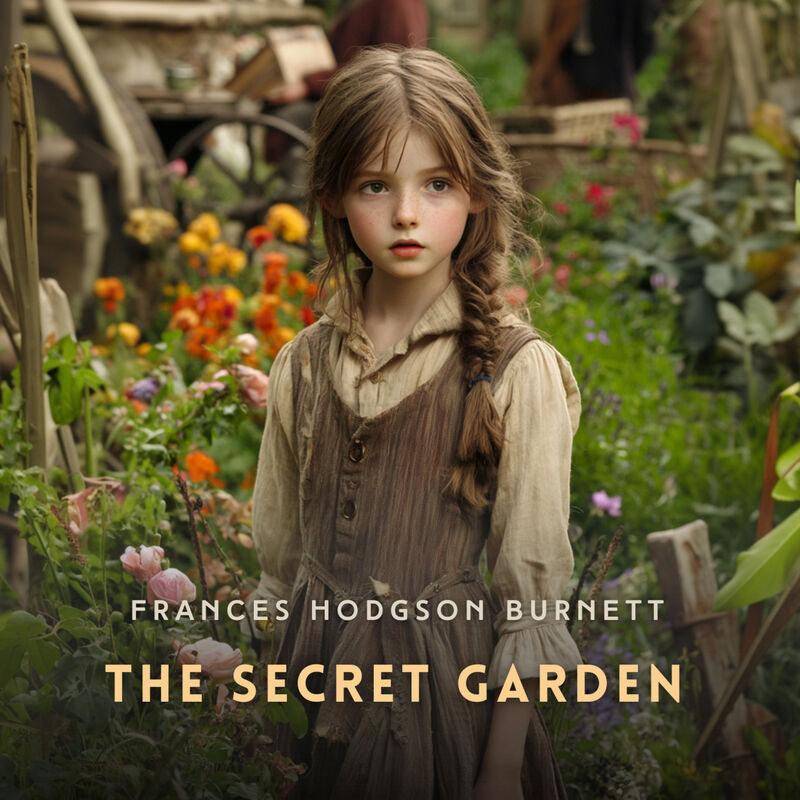
Few doors in fiction are as famous as the one hidden under the ivy at Misselthwaite Manor. For ten years the walled garden behind it has been locked and its key buried. Nobody goes in. Nobody speaks of it. Then a small, sour, lonely girl arrives from India, and a robin shows her where to dig.
Mary Lennox is one of the great unlikeable heroines. When we first meet her she is spoilt, imperious and thoroughly unhappy, a child who has never really been loved, and Frances Hodgson Burnett makes no attempt to sweeten her. Sent to live with her uncle in his great gloomy house on the Yorkshire moors, she is left largely to herself, with only the cheerful housemaid Martha to talk to and a vast, wind-swept landscape outside the window. It is the garden, and the people she meets because of it, that slowly bring her to life.
Martha and Dickon speak broad Yorkshire, and Burnett lets their voices ring out on the page. Mary, who began by despising everything, starts to copy them, and the dialect becomes a sign that she belongs. Before long she is skipping in the wind, eating her porridge with an appetite, and asking her uncle for a bit of earth of her own.
Burnett surrounds her with unforgettable companions. There is Ben Weatherstaff, the crusty old gardener, and his robin, who has opinions about everything. There is Dickon, Martha's brother, a boy of the moors who charms animals and knows how to make things grow, and who says the garden's roses are still 'wick', alive, even when they look grey and dead. And there is a secret inside the house as well as outside it: a cry in the night that leads Mary to her cousin Colin, an invalid boy who has been told all his life that he will not live to grow up.
What happens next unfolds at the pace of a season. The children clear the weeds, green points push up through the earth, and spring arrives in the locked garden with a force that Burnett describes with real joy. As the garden comes back to life, so do the children. Mary grows curious, kind and strong. Colin, who has spent his life indoors, begins to believe in what he calls the Magic, the great force that makes things grow, and to wonder whether it might work on him too.
That idea, that tending something living can heal the person who tends it, feels more current than ever. Many of us have discovered for ourselves what Burnett put on the page: the calm of hands in soil, the hope of the first shoots, the way fresh air and attention can lift a heavy mood. She writes about it with warmth and conviction, and she lets the story do the persuading. Two difficult children become happy, a little at a time, through work, friendship and growing things.
Grown-up readers notice the grief that runs underneath. The garden was locked because a father could not bear his sorrow, and the house is full of closed rooms and a portrait kept behind a curtain. The book's real magic is that it lets light back in, gently and patiently, for everyone. It is a story about how families heal as well as gardens, and it carries that weight lightly enough for any age.
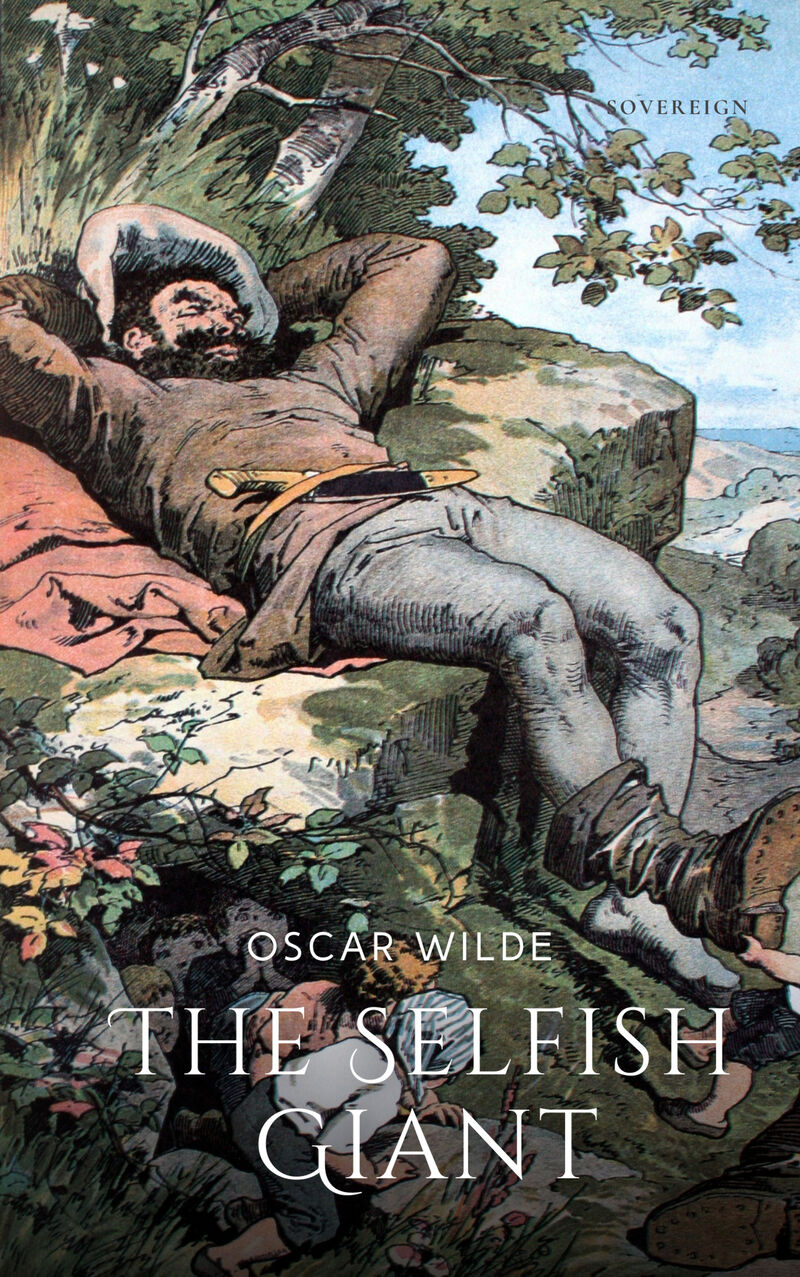
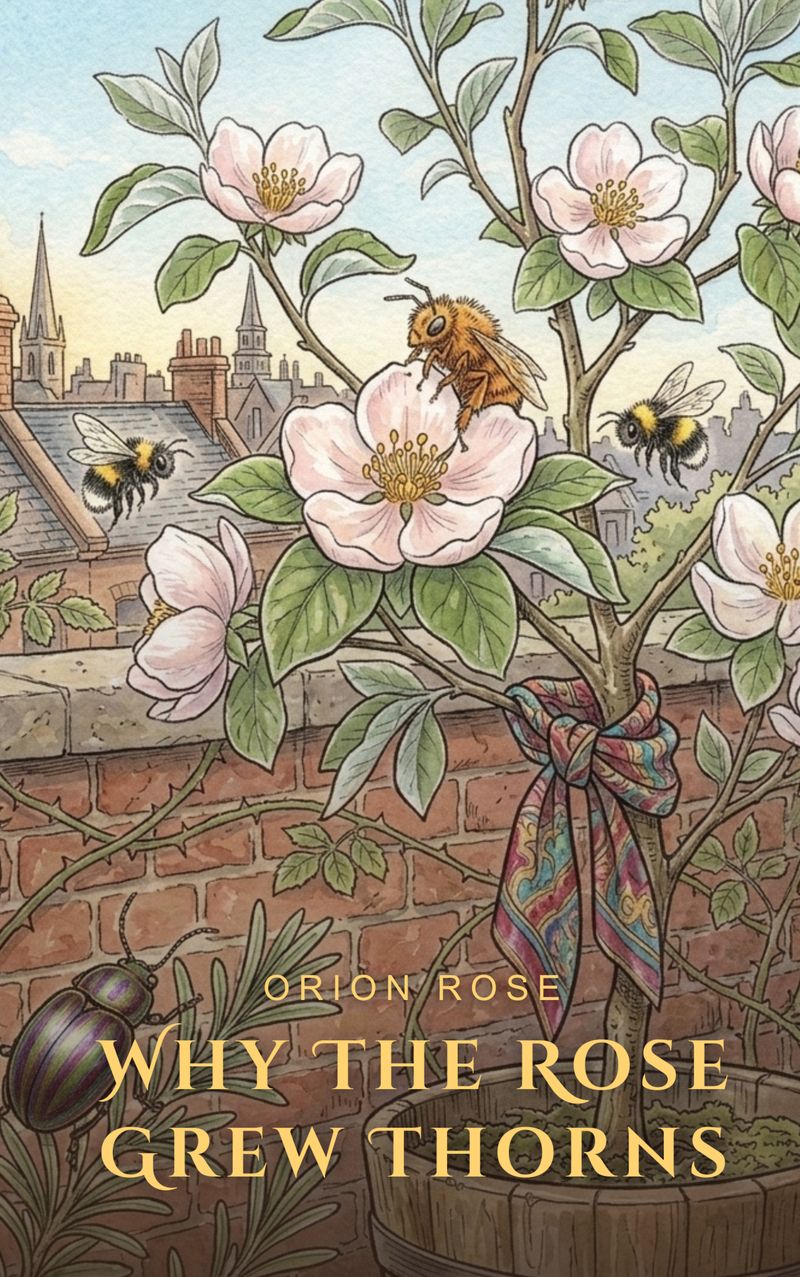
If The Secret Garden leaves you wanting more garden magic, Oscar Wilde's The Selfish Giant tells, in a few short pages, of a giant who walls the children out of his garden and finds that spring will no longer come to it. Kenneth Grahame's The Wind in the Willows carries the same love of green places down to the riverbank. And for grown-ups who would like a new garden story, Why the Rose Grew Thorns by Orion Rose opens the Garden Tales in a roof garden high above London, where a beetle listens at the wall and a wounded prince waits for a Queen's love.
The Secret Garden is also available as an audiobook read by Eloise Fairfax, ideal for a long walk or a quiet evening. Whichever way you meet it, the beginning is the same: a cold morning, a robin on a wall, and a small girl about to discover that something she thought was dead has only been waiting.