Why fairy tales still speak to grown-ups
Andersen, Wilde, the Grimms and Perrault wrote of thorns, mirrors and impossible bargains. Why the oldest stories keep finding their way back to adults.
Published
We hand fairy tales to children and then, somewhere along the way, forget to take them back. That is a pity, because the great tales were made for everyone. Many of them were told by adults to adults, around fires and over long hours of work, before anyone thought to write them down. Read them again today and they turn out to be about everything that matters most once childhood is over: love that costs too much, kindness that goes unnoticed, the people we lose and the selves we have to grow into.
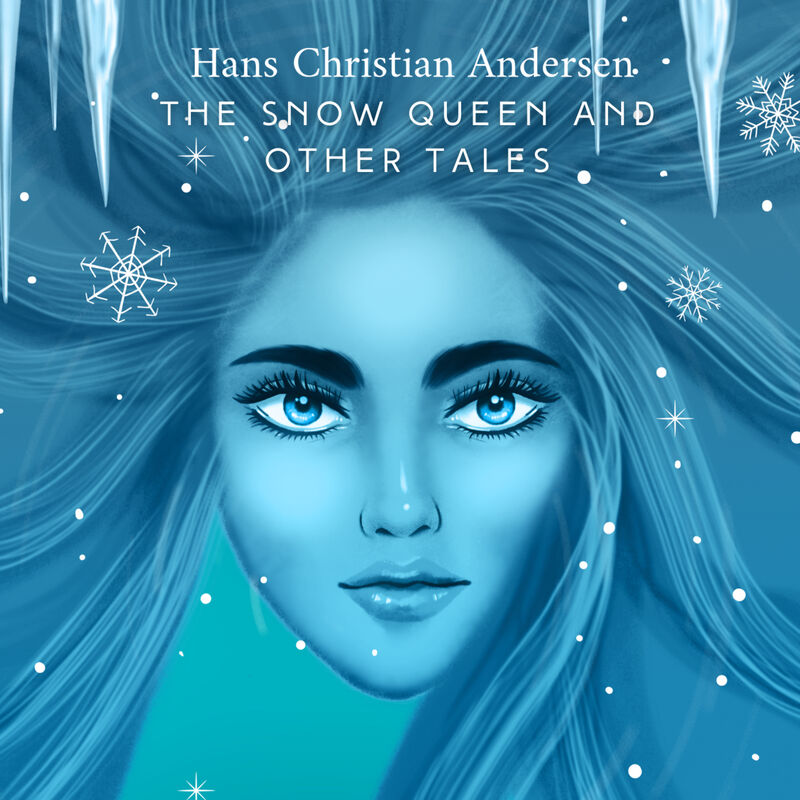
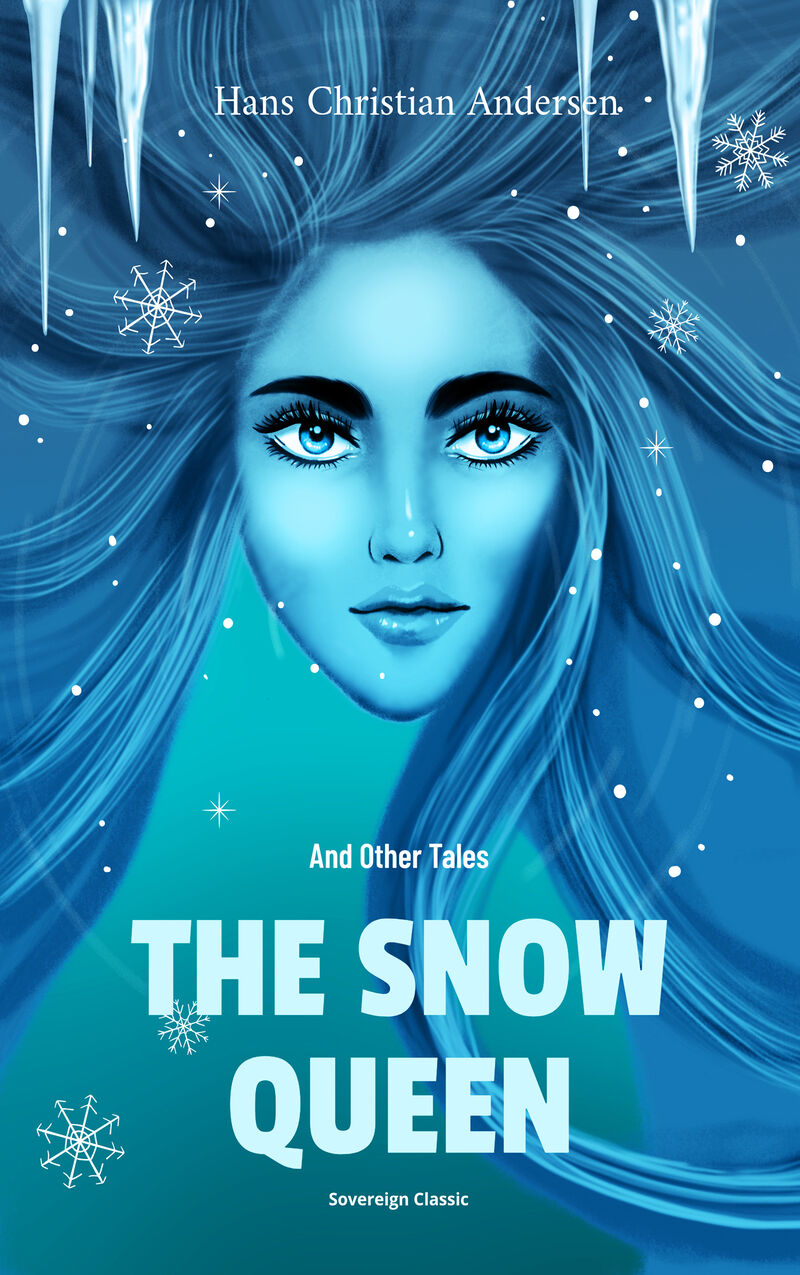
Hans Christian Andersen knew this better than anyone. The Snow Queen and Other Tales opens with a wicked mirror that shatters into countless splinters. When one lodges in a boy's eye and another in his heart, Kay begins to see only what is ugly in the world and to scorn the people who love him. His friend Gerda sets out to find him, through gardens, forests and frozen wastes, and will not give up. Read as an adult, it is a story about how someone you love can grow cold and distant, and about the stubborn, unglamorous loyalty it takes to bring them home.
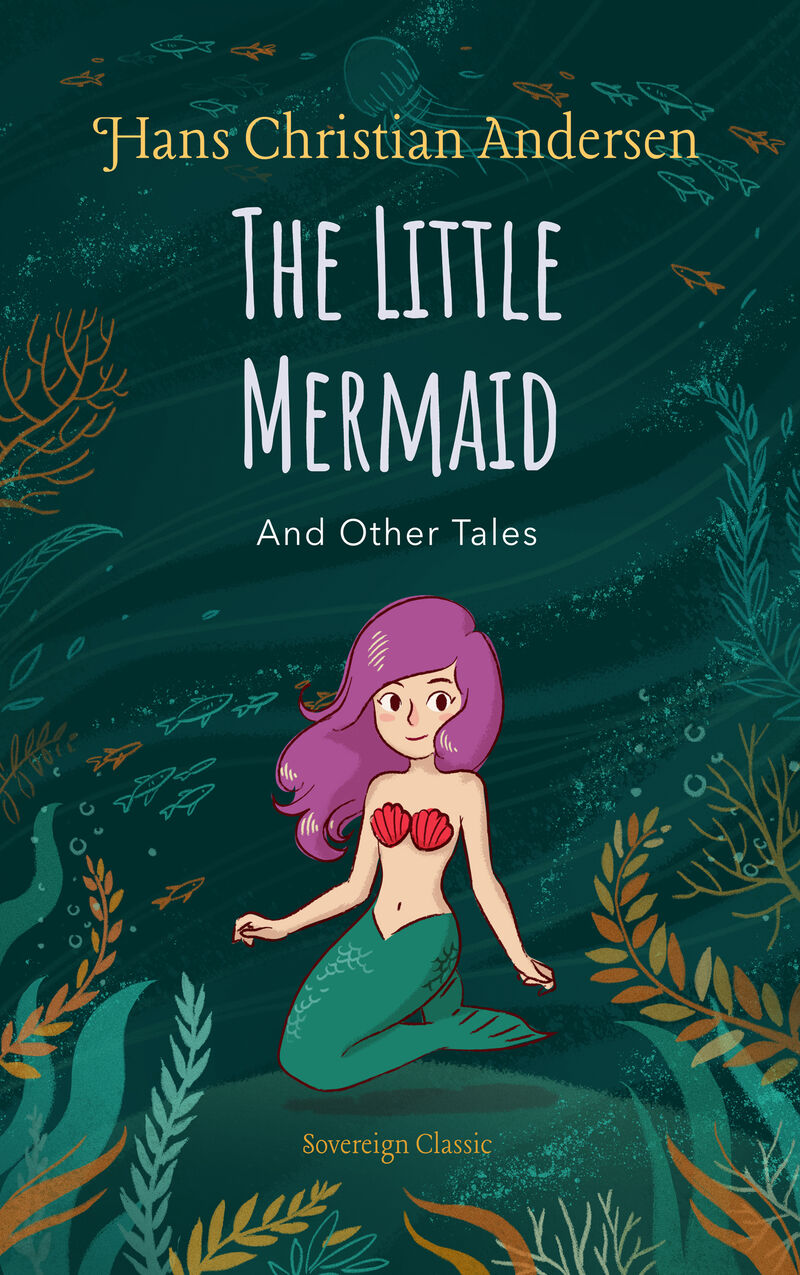
The Little Mermaid and Other Tales is gentler on the surface and harder underneath. The youngest sea princess gives up her voice for legs, and every step she takes on land feels like treading on sharp knives. Children remember the longing. Adults notice the bargain, and how often love asks us to trade away the very thing that makes us ourselves. In The Elf of the Rose, Andersen sets grief, perfume and justice inside a single flower, a reminder that the garden has always been one of the great stages of the fairy tale.
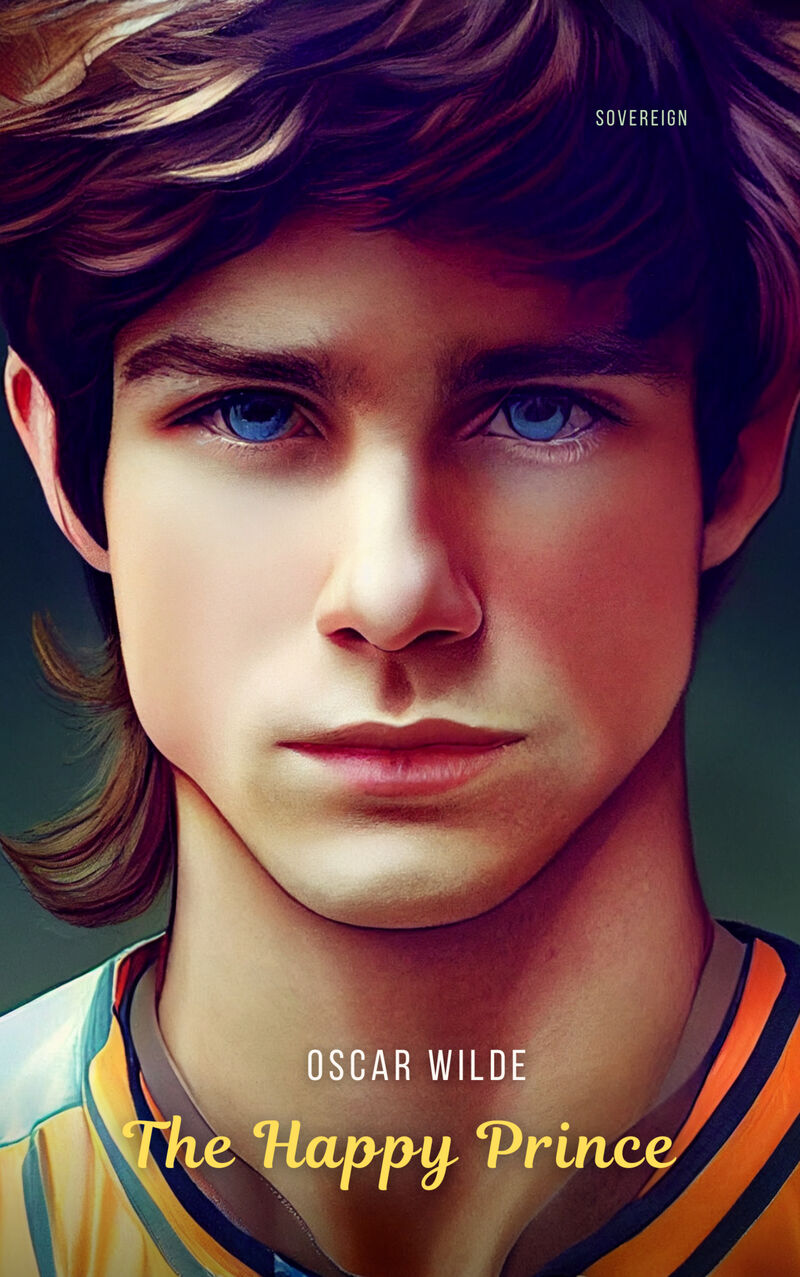
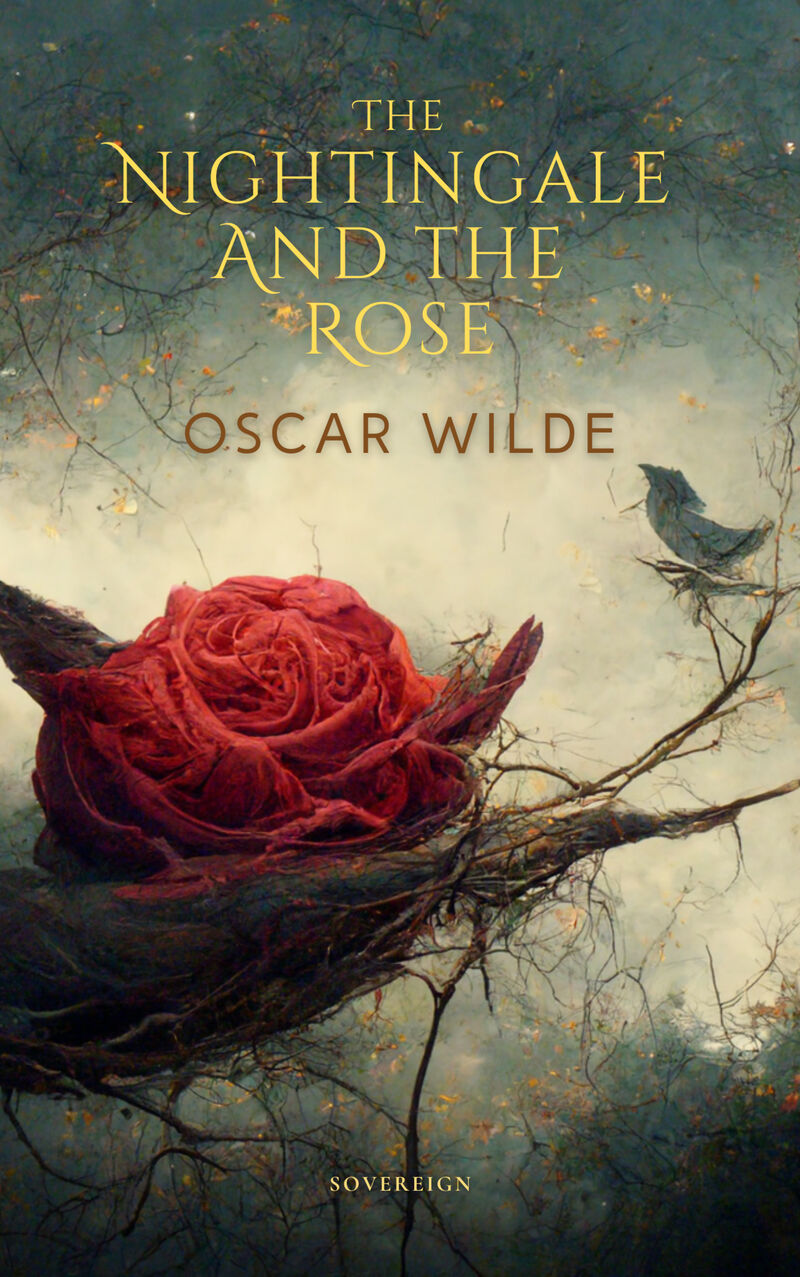
Oscar Wilde's fairy tales are among the most beautiful in English. In The Happy Prince and Other Tales, a gilded statue looks down on the poverty of his city and asks a swallow, who ought to be flying south for the winter, to carry away his ruby, his sapphire eyes and his gold leaf to the people who need them. In The Nightingale and the Rose, a bird presses her breast against a thorn and sings all night to make a single red rose for a young student in love. Wilde's tales are sad, witty and luminous, and they ask a grown-up question with great tenderness: what is love worth when nobody sees it?
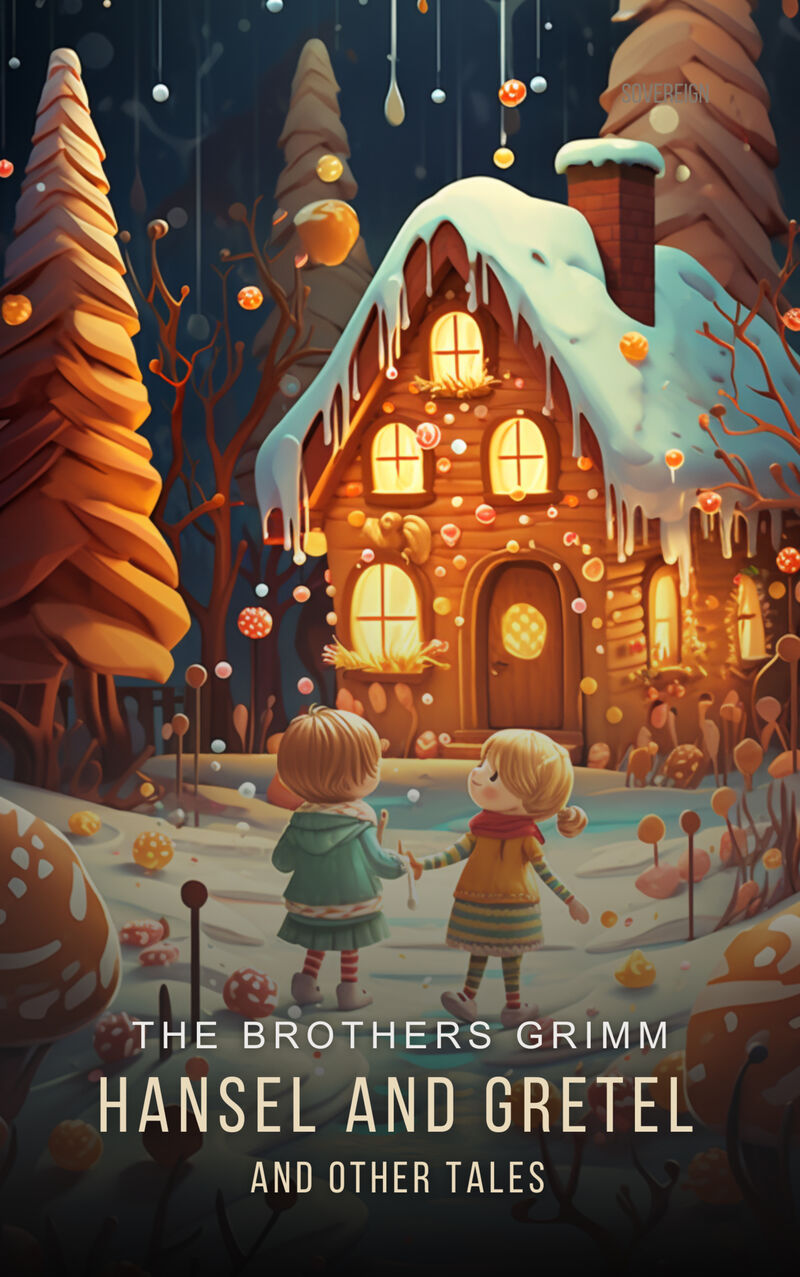
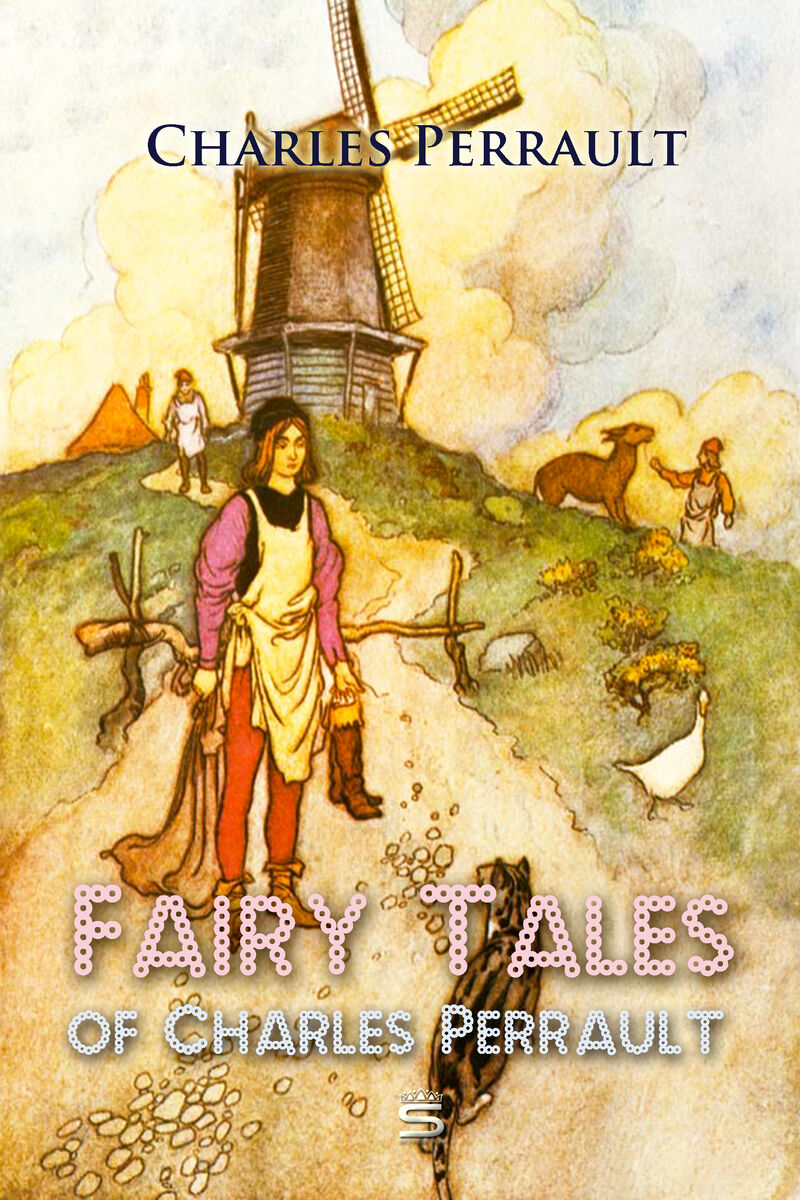
The tales gathered by the Brothers Grimm keep the older, darker grain of folklore. Hansel and Gretel and Other Tales begins with hunger and abandonment and turns on two children's cleverness: the trail of pebbles, the house in the forest, the moment when the tables are turned. Charles Perrault polished his versions of Sleeping Beauty, Cinderella and Puss in Boots for an elegant, worldly audience and finished them with neat little morals in verse. His Little Red Riding Hood closes with a warning that the gentlest, most charming wolves are the most dangerous of all. You will find them in Fairy Tales of Charles Perrault.
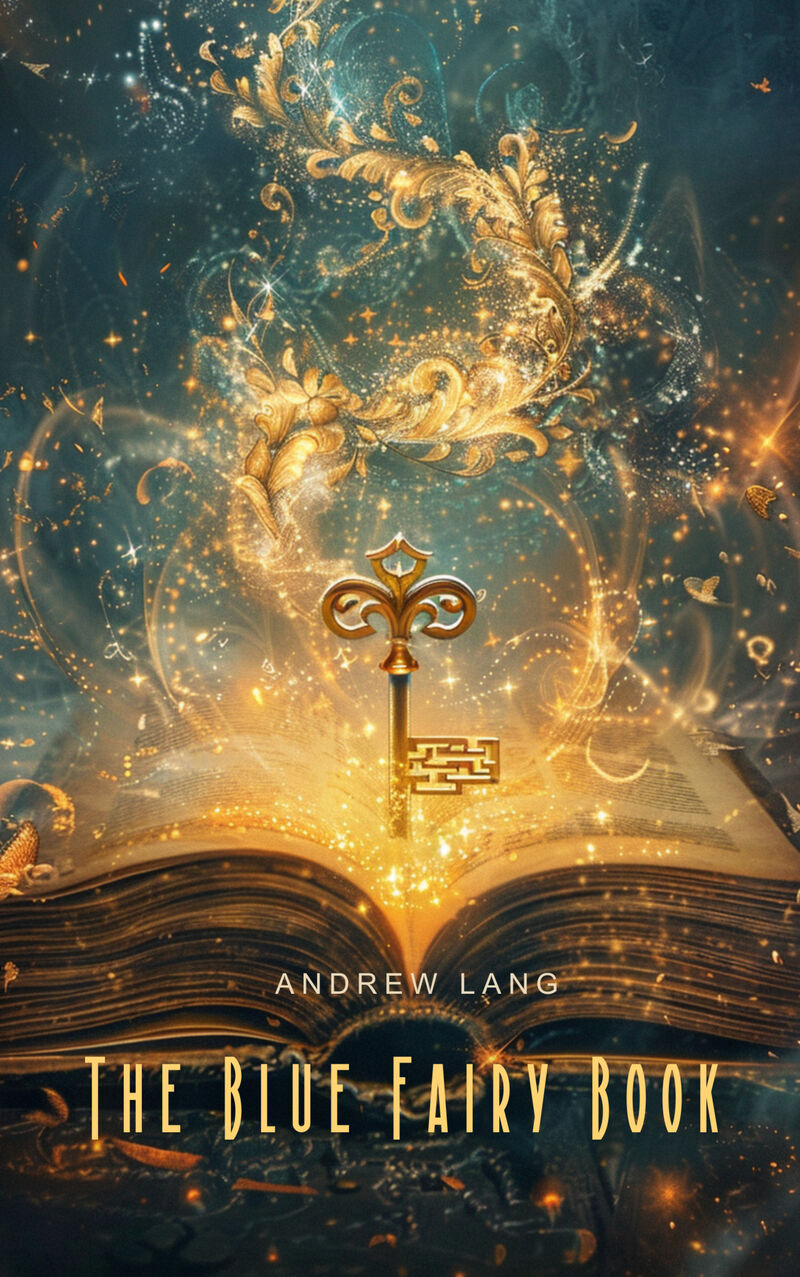
For sheer abundance, nothing matches Andrew Lang's colour fairy books. The Blue Fairy Book gathers tales from many countries into one generous volume, and turning its pages feels like walking through a great house where every door opens on a different land. It is a fine reminder that these stories belong to the whole world. People everywhere have told tales of clever youngest children, enchanted animals and journeys east of the sun and west of the moon, because people everywhere have needed them.
Why do these stories hold adults so firmly? Partly because they are honest. Fairy tales admit that the world contains wolves and witches, that parents can fail and that love can hurt, and they still insist that courage and kindness change things. Partly because their images go deep: the thorn, the mirror, the locked room, the forest path. And partly because they leave room. A fairy tale tells you very little about how its characters feel. You bring that yourself, and so the story grows with you, meaning one thing at seven and quite another at forty.
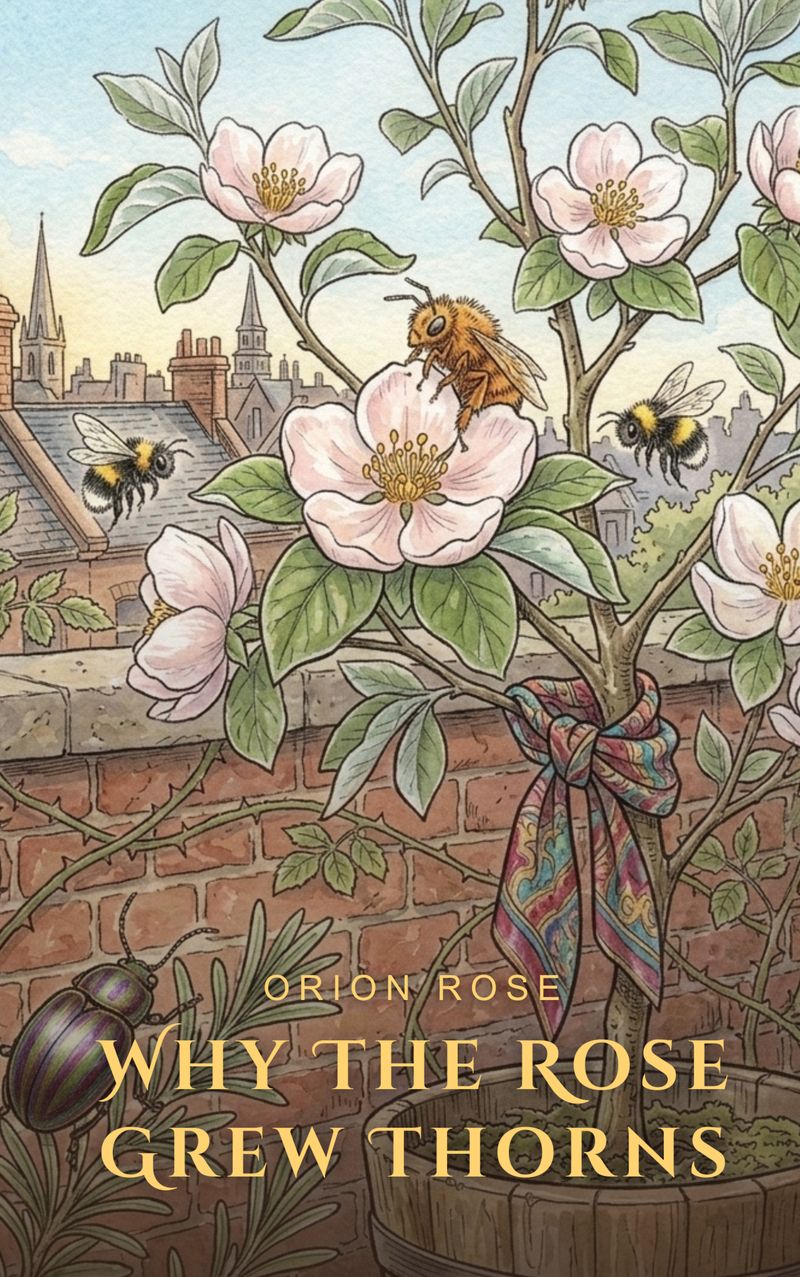
That is the tradition from which new fairy tales for grown-ups grow. In Why the Rose Grew Thorns, the first of the Garden Tales by Orion Rose, an ancient Rose Queen confesses how a mother's heartache grew her thorns, and a wounded young quince prince longs for a love that will not turn towards him. Wilde's nightingale would recognise that garden at once. So would Andersen's rose elf. The old tales taught us that flowers can keep secrets, and the new ones are still listening.
So take one back from the nursery shelf. Read it slowly, perhaps aloud. Many of these collections are also available as audiobooks, and fairy tales were always meant to be heard. You may find that the story has simply been waiting for you to grow up.