Chekhov and the art of the unsaid
A cabman confiding in his horse, a love affair that begins in Yalta, a bowl of sour gooseberries. Why Chekhov's quiet stories feel closer to us than ever.
Published
Anton Chekhov wrote hundreds of short stories, and remarkably few of them contain what most of us would call a plot. A man meets a woman by the sea. A shy officer is kissed in the dark by a stranger. An old cabman waits in the snow for someone to listen to him. And yet these small events, told in a few pages, can stay with you for years. Chekhov's gift was to find the moment when an ordinary life shows its depth, and then to step back and let us see it for ourselves.
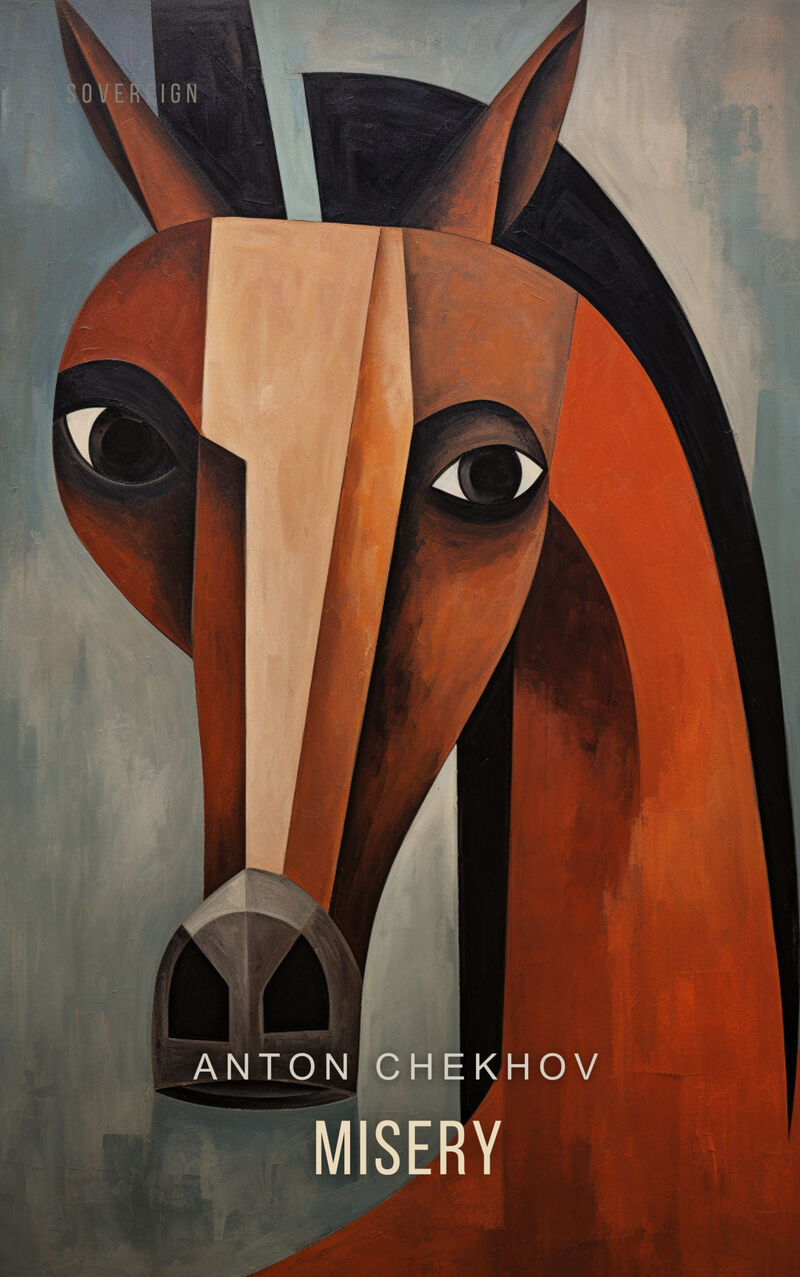
Begin with Misery. Iona Potapov, a cab driver, sits on his sledge in the falling snow, so still and so white that he looks like a ghost. His son has died, and he longs to tell someone about it. One passenger after another climbs in, and each is too busy, too drunk or too impatient to hear. Late at night, in the stable, Iona tells the whole story to his little mare, who munches her hay and listens. That is all. It takes a few minutes to read, and it says as much about loneliness as many a long novel.
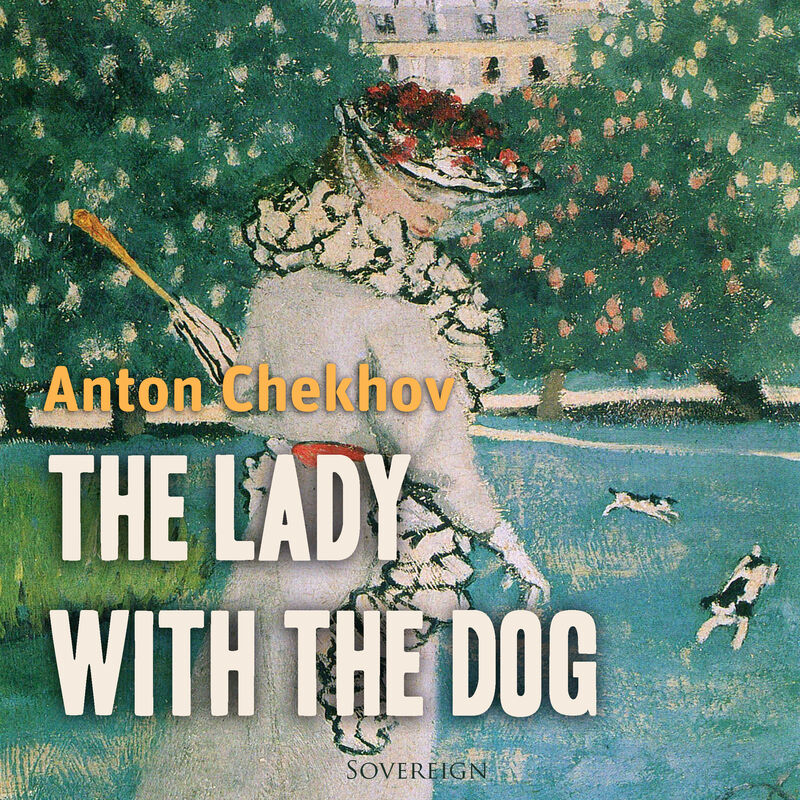
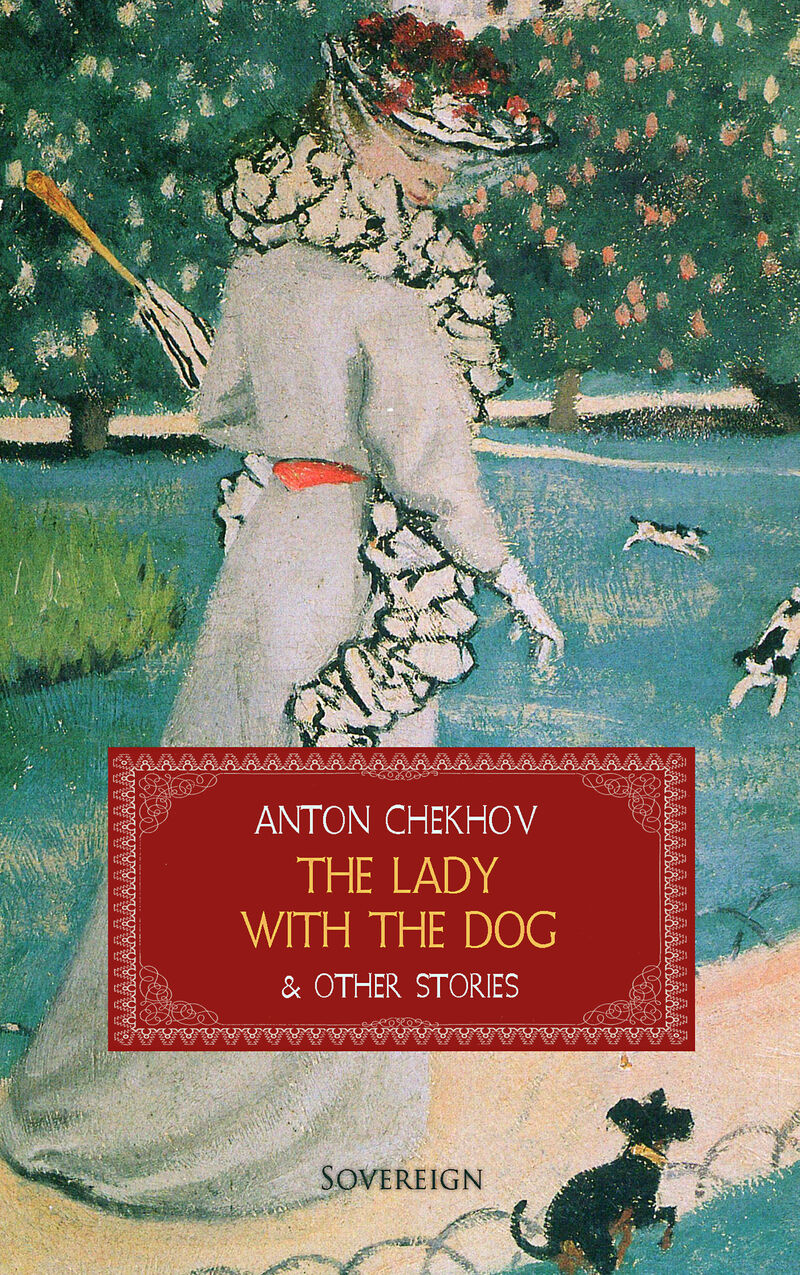
The Lady with the Dog is perhaps his most famous story, and it shows how much he could achieve with restraint. Gurov, a bored and rather cynical man on holiday in Yalta, notices a young woman walking a white Pomeranian along the seafront. They begin an affair he expects to forget. Instead he finds himself, for the first time in his life, truly in love, and Chekhov leaves the two of them in the middle of their difficulty, with no tidy solution in sight. He trusts us with that uncertainty, and the trust feels like respect.
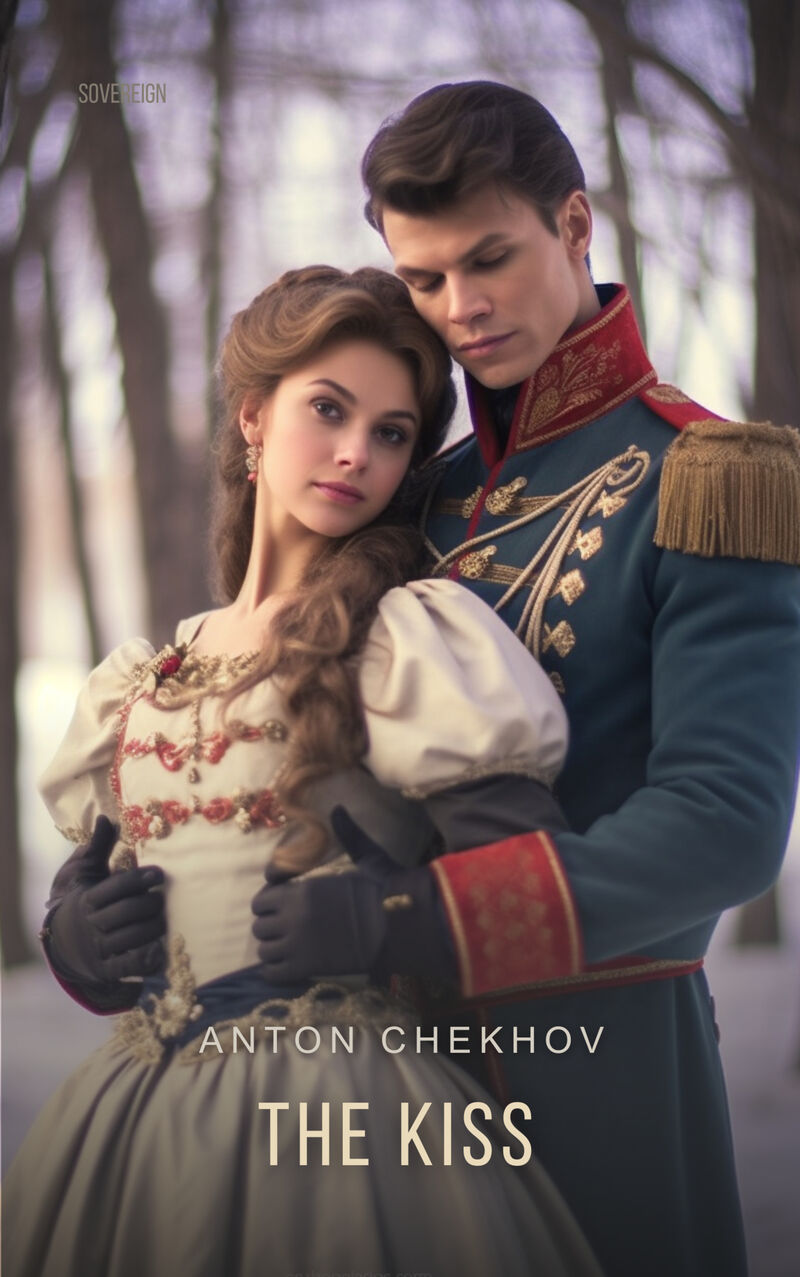
So much of the power lies in what his characters leave unspoken. They talk about the weather, the price of things, the view from the window, while the real feeling moves underneath like a current under ice. In The Kiss, Ryabovitch, the shyest officer in his brigade, wanders into a dark room at a country house and is kissed by a woman who has mistaken him for someone else. He never learns who she was. That kiss becomes the secret centre of his life, a small warm thing he turns over and over, and Chekhov shows, with great gentleness, how much a lonely person can build from one moment of accidental tenderness.
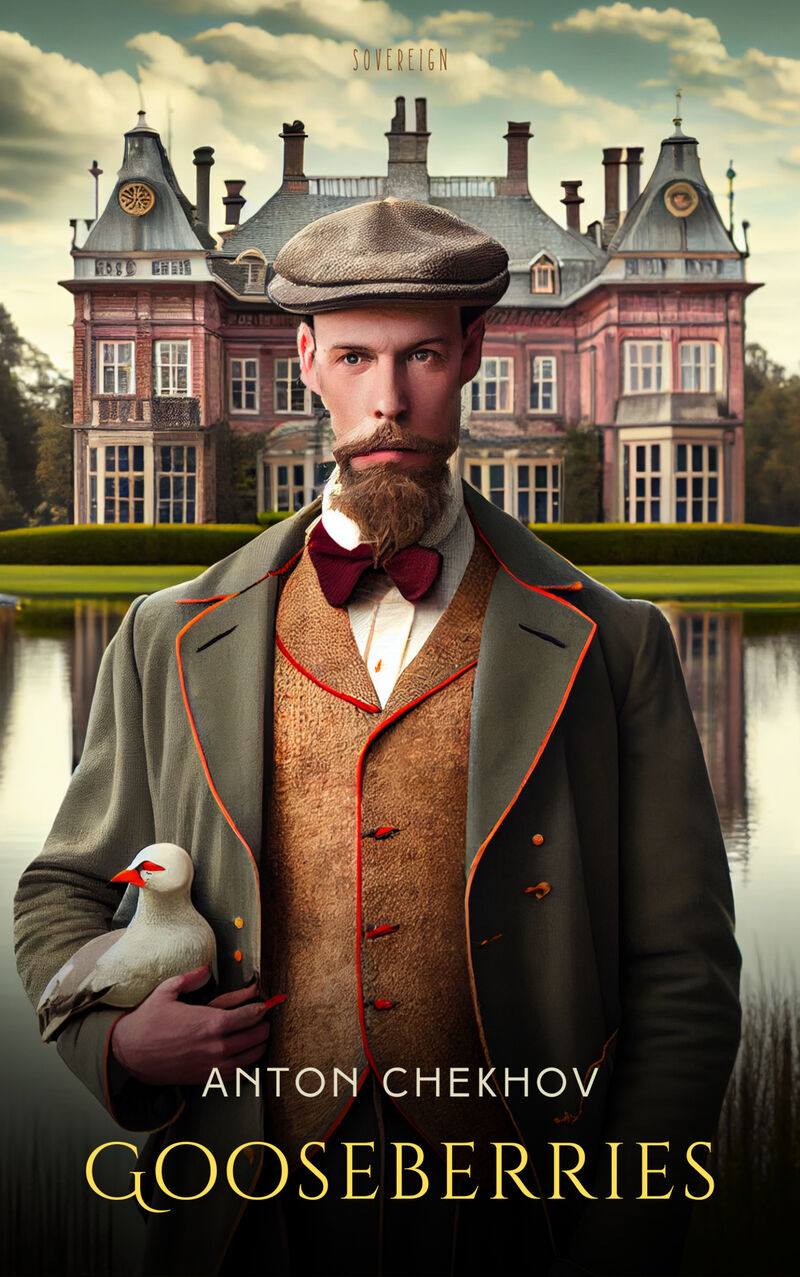
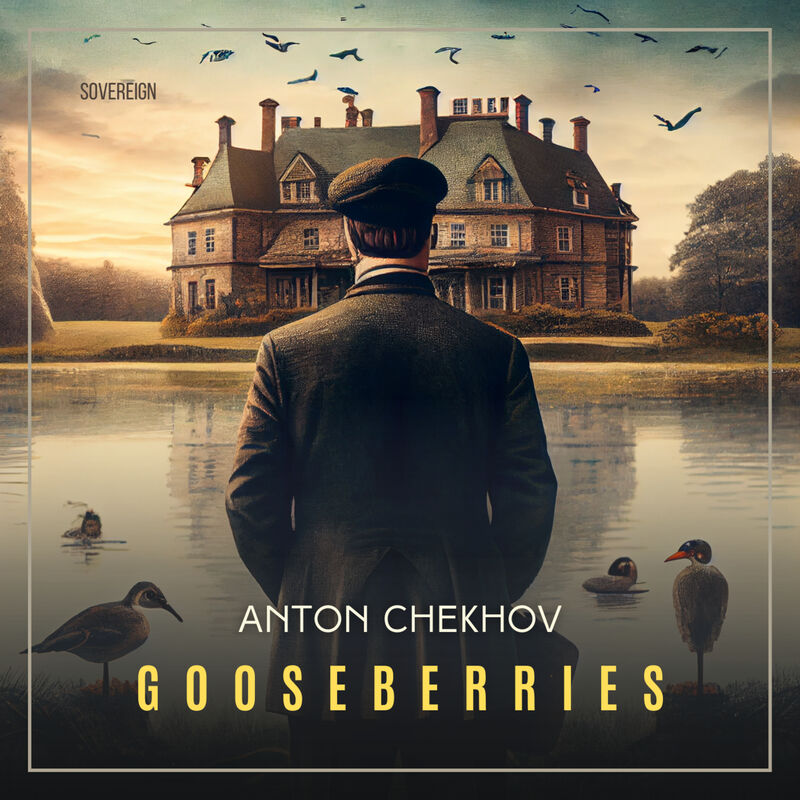
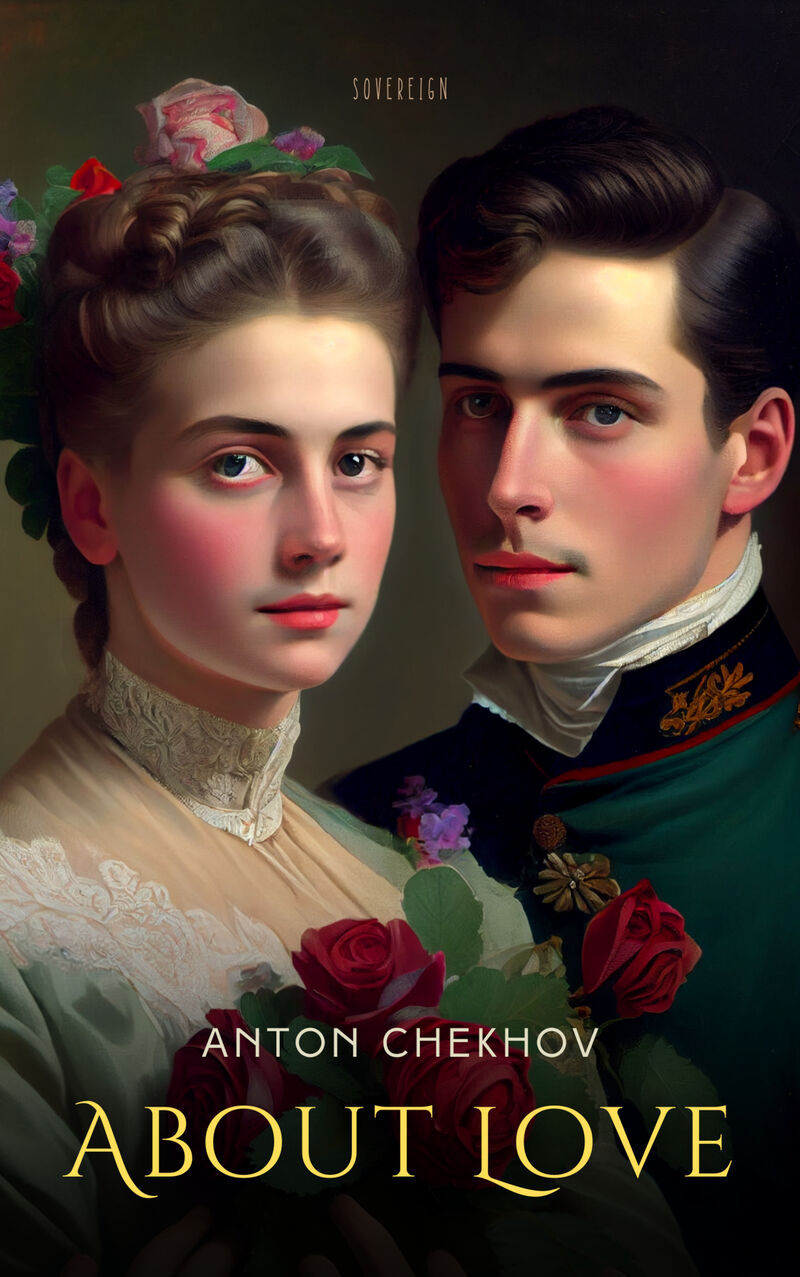
His compassion has a backbone. In Gooseberries, told by one friend to another while rain falls on the fields, a man describes his brother, who spent his whole life saving for a small country estate with gooseberry bushes of his own. When the dream at last comes true, the brother eats the hard, sour berries with tears in his eyes, delighted, and the storyteller is troubled by such contentment in a world so full of suffering. Behind the door of every happy man, he says, there ought to be someone with a little hammer, tapping to remind him that unhappy people exist. About Love follows, a quiet confession about a love that went unspoken for years, and together the two stories show Chekhov at his most searching.
Even when he reaches for something more dramatic, the drama turns inward. The Bet begins with an argument at a party about whether life imprisonment is kinder than the death penalty, and a young lawyer agrees to spend fifteen years in solitary confinement for two million roubles. What happens to him in those years, as he reads his way through languages, philosophy, history and scripture, is one of the most striking meditations on freedom and desire that Chekhov ever wrote.
Why does Chekhov feel so modern? Perhaps because we have all become experts in the unsaid. We live among messages left unanswered, polite conversations with feeling running underneath, and crowded streets full of people with no one to talk to. Chekhov, who was also a doctor, wrote about precisely that, with a clear eye and a warm heart. He leaves us to make up our own minds about his characters, and he makes it impossible to stop caring about them.
His stories suit our crowded days beautifully. Many take a quarter of an hour to read, and they reward a second reading even more than the first. They are a pleasure to hear, too. The audiobook editions are read by Max Bollinger, and listening to them aloud gives the pauses room to breathe, which matters, because in Chekhov the pauses are where so much of the meaning lives.
Choose one story tonight, the shorter the better. Somewhere in it, a person will say something perfectly ordinary, and you will hear everything they mean.